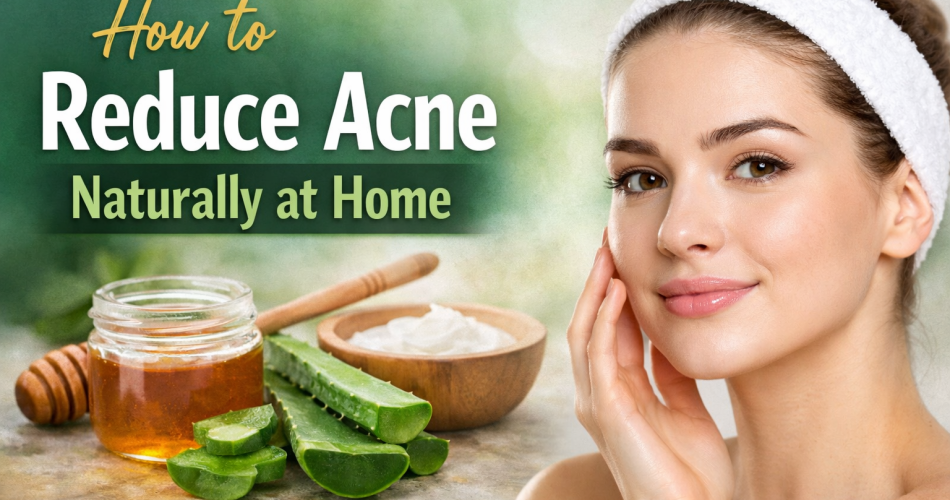
(Without turning your bathroom into a chemistry lab)
Let me start with something honest.
If you’ve ever stood in front of a mirror, leaned in close, and whispered, “Why now?” to a fresh breakout… you’re not alone. I’ve done it more times than I’d like to admit.
Acne has this annoying habit of showing up right before something important. A meeting. A wedding. A photo day. It feels personal — even though, logically, we know it’s not.
The good news? You don’t always need aggressive treatments or a shelf full of expensive products. In fact, sometimes the more we attack acne, the worse it behaves. Skin can be surprisingly sensitive to overreaction.
So let’s talk about how to reduce acne naturally at home — calmly, patiently, and realistically.
First, Understand Why Acne Happens
Before we jump into remedies, we need to understand the “why.” Because acne isn’t random.
Most breakouts happen due to a combination of:
- Excess oil production
- Clogged pores
- Bacteria
- Hormonal changes
- Stress
- Diet (sometimes, not always)
What’s interesting is that acne isn’t always about being “dirty.” I used to think if I just washed my face more often, it would disappear. Instead, my skin became irritated — and somehow, the breakouts got worse.
Here’s the catch: over-cleansing strips your natural oils, and your skin responds by producing more oil. It’s trying to protect itself. So when we treat acne aggressively, we sometimes fuel the cycle.
Understanding this changes how you approach treatment. Instead of fighting your skin, you start supporting it.
1. Wash Your Face — But Gently
It sounds obvious. But the way you wash your face matters more than how often.
Use a mild, sulfate-free cleanser. Massage it softly into your skin for about 30 seconds. No scrubbing. No harsh brushes.
Twice a day is enough. Morning and night.
More than that? You risk irritating your skin barrier. And irritated skin often equals more acne. Not less.
It’s ironic, I know.
2. Try Aloe Vera — Nature’s Calm Healer
Aloe vera isn’t just for sunburn. It has mild antibacterial and anti-inflammatory properties, which means it can help reduce redness and soothe irritated breakouts.
If you have access to a fresh aloe plant, even better. Just extract the gel and apply a thin layer to affected areas before bed.
What I’ve noticed is that aloe doesn’t “erase” acne overnight — but it does calm it down. And sometimes, reducing redness makes a breakout feel less dramatic.
Consistency is key here.
3. Honey as a Spot Treatment
Raw honey (especially manuka honey, if available) has natural antibacterial properties.
Apply a small amount directly onto a pimple and leave it on for 10–15 minutes before rinsing off.
Is it glamorous? Not really. Is it sticky? Definitely.
But it can help reduce inflammation and support healing — gently.
4. Reduce Sugar and Processed Foods (Yes, Really)
This one is a bit controversial because not everyone reacts the same way to food. But in reality, high sugar intake can increase inflammation and spike insulin levels, which may trigger oil production.
I still remember a phase when I was eating way more sweets than usual. My skin showed it. Once I cut back — not completely, just moderately — my breakouts became less frequent.
It’s not about perfection. It’s about balance.
Drink more water. Eat more whole foods. Add fruits, vegetables, healthy fats.
Your skin reflects internal health more than we like to admit.
5. Don’t Touch Your Face (Harder Than It Sounds)
We touch our faces constantly. While thinking. While scrolling. While stressed.
Every touch transfers bacteria and oil.
And squeezing pimples? That can push bacteria deeper into the skin, increasing inflammation and the chance of scarring.
I know the temptation. Trust me.
But leaving it alone often leads to faster healing.
6. Use a Simple Skincare Routine
This might surprise you — but sometimes acne improves when you remove products.
Keep your routine simple:
Cleanser.
Moisturizer (yes, even if you’re oily).
Sunscreen.
If your skin barrier is damaged, no acne remedy will fully work. A healthy barrier protects against bacteria and supports healing.
More products don’t always mean better skin.
Sometimes they just mean confused skin.
7. Manage Stress — The Hidden Trigger
Stress increases cortisol levels, which can increase oil production.
Have you noticed breakouts during exams, deadlines, or emotional situations?
It’s not coincidence.
Try simple stress-reducing habits:
Deep breathing.
Light exercise.
Better sleep.
Even 15 minutes of walking can help regulate stress hormones.
And better sleep? That’s when your skin repairs itself.
How Long Does It Take to Reduce Acne Naturally at Home?
Here’s the honest answer: it depends.
Mild acne may improve in 2–4 weeks with consistent care.
Moderate acne may take 6–8 weeks.
Natural methods are gentle. They’re not instant.
But they’re often kinder to your skin long-term.
When to See a Professional
If your acne is painful, cystic, or leaving scars, it may be time to consult a dermatologist.
Natural remedies work well for mild to moderate breakouts. Severe acne may need medical guidance.
And that’s okay.
There’s no failure in seeking help.
Final Thoughts on How to Reduce Acne Naturally at Home
Reducing acne naturally at home isn’t about fighting your skin. It’s about understanding it.
Be patient. Be gentle. Be consistent.
Acne doesn’t disappear overnight — and honestly, it doesn’t define you.
Skin goes through phases. Hormones shift. Stress comes and goes.
But when you treat your skin with calm care instead of panic, you give it the best chance to heal.
And sometimes, that’s all it needs. ✨
Frequently Asked Questions (FAQ)
1. What’s a quick and natural way to get rid of acne at home?
Home remedies can be gentle on your skin but they do take a bit of time to work. You might start seeing a difference in 2–4 weeks if you cleanse your skin softly, keep your hands off your face, manage your stress levels, and stick to a basic skincare routine.
2. What’s the top natural solution for acne?
Aloe vera and raw honey are often turned to as natural remedies as they can lessen inflammation and calm irritable skin. But remember, their effectiveness can vary based on your skin type.
3. Can upping my water intake help with my acne?
Drinking plenty of water is beneficial for overall skin health and helps it stay balanced. Although water alone can’t wipe out acne, it does aid your body’s natural healing process.
4. Is it true that stress can lead to acne?
Absolutely. Stress boosts cortisol levels, which in turn can stimulate overproduction of oil and result in breakouts. You can help keep breakouts at bay by managing your stress through good sleep, regular exercise, and finding time to relax.
5. Should I pop my pimples?
Definitely not. Popping pimples can force bacteria further into your skin, escalate inflammation, and lead to scarring. You’re better off letting acne heal naturally or, if necessary, seeking advice from a dermatologist.